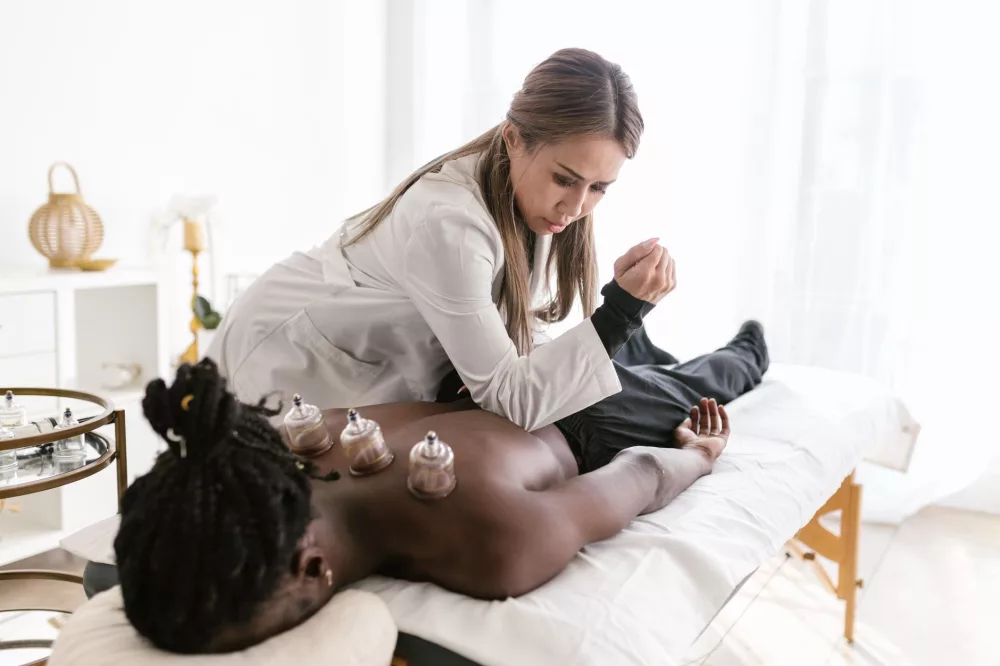
It's interesting, isn't it? How we've started to look beyond conventional medicine for our health and wellness. For many of us living in regions like a peninsula, there's a unique appeal to alternative health practices, often rooted in community and a connection to natural surroundings. I've often found myself contemplating this shift, recognizing a growing desire for a more holistic approach to well-being that truly addresses the individual, not just their symptoms. Peninsula alternative health isn't just a trend; I believe it represents a deep-seated yearning for balance, prevention, and personalized care that acknowledges the mind-body-spirit connection.
Understanding the Landscape of Alternative Health on the Peninsula
When I talk about 'alternative health' in a peninsular context, I'm referring to a diverse array of healing modalities that often complement, or sometimes even stand apart from, mainstream medical practices. It's an ecosystem, really, of practitioners and therapies that aim to restore equilibrium within the body and mind. This isn't about rejecting conventional medicine outright; rather, it’s about expanding our options, seeing health as a spectrum where many different tools can contribute to optimal living. My experience suggests that people here are often quite open to exploring these avenues, whether it's for chronic pain, stress management, or simply to enhance their overall vitality.
You might wonder what exactly falls under this umbrella. Well, it's quite broad! We're talking about everything from time-honored practices with deep historical roots to more contemporary approaches designed for modern ailments. The common thread, I've noticed, is a focus on treating the whole person, taking into account lifestyle, diet, emotional state, and environmental factors. It's quite a departure from the symptom-focused model many of us grew up with.
“The art of medicine consists of amusing the patient while nature cures the disease.” – Voltaire. While perhaps a bit cynical, it does highlight the importance of patient experience and the body's innate healing capacity, a core tenet in many alternative practices.
Common Modalities Flourishing in Peninsular Communities
Let's unpack some of the specific practices that I often see thriving in these close-knit peninsular settings. Each offers a distinct pathway to health, and it's fascinating to observe how individuals find the one, or combination, that resonates most deeply with their needs.
- Acupuncture and Traditional Chinese Medicine (TCM): This ancient practice, involving the insertion of thin needles into specific points on the body, aims to balance the body's energy flow, known as Qi. I've heard countless stories of its efficacy for everything from migraines and chronic back pain to fertility issues. Beyond acupuncture, TCM also incorporates herbal medicine, dietary therapy, and Tui Na massage.
- Chiropractic Care: Focusing on the spine and its relationship to the nervous system, chiropractors on the peninsula help individuals achieve proper alignment, which can significantly impact overall health. I’ve personally found it incredibly helpful for maintaining spinal health and reducing discomfort. It’s not just about cracking backs; it's about optimizing nerve function.
- Naturopathic Medicine: Naturopathic doctors (NDs) combine scientific knowledge with traditional and natural forms of medicine. They often emphasize prevention, education, and natural remedies, seeking to identify and treat the root causes of illness. They might use botanical medicine, nutrition, lifestyle counseling, and even minor surgery.
- Massage Therapy: Beyond simple relaxation, therapeutic massage is a cornerstone of alternative health. Modalities like deep tissue, Swedish, hot stone, and even lymphatic drainage are readily available. It's amazing what a skilled therapist can do for muscle tension, circulation, and stress reduction.
- Herbal Medicine and Botanical Therapies: Many peninsular communities have a strong connection to local flora. Practitioners often leverage the medicinal properties of plants to support various bodily systems. This can be through teas, tinctures, poultices, or supplements. It’s a return to nature’s pharmacy, if you will.
- Mindfulness and Meditation: While not 'hands-on' therapy, practices like mindfulness-based stress reduction (MBSR) are absolutely essential. They offer powerful tools for mental clarity, emotional regulation, and stress reduction, which I've found to be foundational to overall well-being. Workshops and community groups often pop up in peninsular towns, creating supportive environments.
Why the Growing Appeal of Alternative Health?
So, why are more and more people turning to these options? From my perspective, there are several compelling reasons. One major factor is the individualized attention. In many alternative health settings, practitioners spend significant time with clients, delving into their entire health history, lifestyle, and emotional state. This comprehensive intake allows for truly personalized treatment plans.
Another reason is the focus on prevention and wellness, rather than just disease management. Many alternative therapies aim to strengthen the body's innate healing mechanisms and maintain health proactively. I know I appreciate the emphasis on educating patients, empowering them to take an active role in their own health journey.
Consider, too, the often lower risk of side effects associated with natural therapies compared to some pharmaceutical interventions. This isn't to say there are no risks, but generally, the approaches are gentler. People are also seeking relief for chronic conditions that haven't responded well to conventional treatments. Sometimes, it's just about finding that missing piece of the puzzle.
Integrating Approaches for Optimal Health
It’s important to remember that alternative health doesn't always mean exclusive health. I've observed a beautiful synergy when individuals combine conventional medical advice with alternative therapies. For instance, someone recovering from surgery might use acupuncture for pain management, alongside their prescribed medications. Or a patient managing a chronic condition might see their family doctor regularly while also utilizing a naturopath for nutritional guidance and herbal support.
This integrative approach, I believe, offers the best of both worlds. It respects the strengths of each system, fostering a collaborative environment focused on the patient's best outcome. The key is open communication between all healthcare providers and, most importantly, listening to your own body and what feels right for you.
On the peninsula, I think the relatively close-knit communities often facilitate this integration. Practitioners might know each other, or at least be more open to collaborating, which creates a more cohesive support system for patients. It's a wonderful thing to witness, really, this collective effort towards improved health.
Ultimately, navigating the world of health and wellness is a deeply personal journey. Peninsula alternative health provides a rich and varied landscape of options for those seeking balance, healing, and a deeper connection to their own well-being. It’s about exploring, learning, and finding what resonates most with your unique path. Don't be afraid to ask questions, research your options, and trust your instincts as you explore these avenues. Your well-being is absolutely worth the effort.