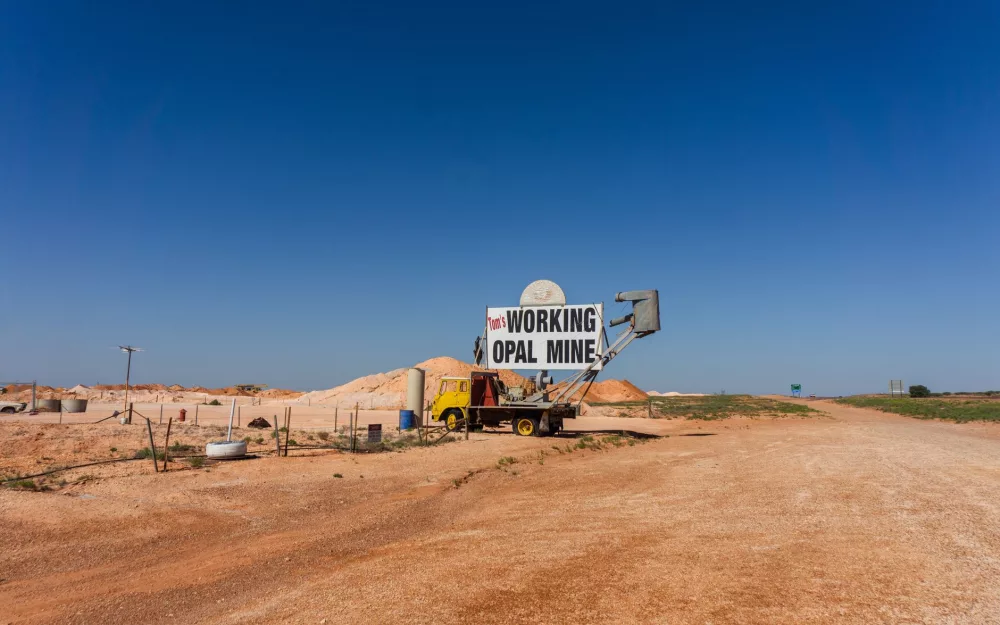
When you hear about Australia's resource sector, chances are you'll quickly stumble upon the term 'FIFO'. It's an acronym that stands for Fly-In, Fly-Out, and it describes a unique and incredibly common work arrangement in our vast country, especially within the mining, oil and gas, and construction industries. From my perspective, it's a lifestyle that's both highly rewarding and undeniably challenging, shaping not just individual lives but also the economies of remote regions.
What Exactly is FIFO?
Essentially, FIFO means that employees are flown to remote work sites, often thousands of kilometres from their homes and families, to work for a set period, called a 'swing' or 'roster'. After their work period is complete, they're flown back to their primary residence for an equivalent or sometimes shorter period of rest. This cycle then repeats. It's a logistical marvel, enabling major projects in areas where it's simply impractical or undesirable for a permanent workforce to reside.
You might wonder why we do this. Well, Australia is huge, and many of its richest mineral deposits are found in incredibly isolated spots. Building entire towns for temporary projects isn't always feasible or economical. So, companies fly their workforce in, house them in purpose-built camps often called 'villages,' feed them, and provide basic amenities. It's a comprehensive system designed to keep operations running smoothly in some really tough environments.
The Allure of the FIFO Life: Why People Choose It
I've talked to countless people who've embraced the FIFO lifestyle, and a few core reasons consistently emerge:
- Exceptional Financial Rewards: Let's not beat around the bush; the pay is often significantly higher than what you'd earn in a similar role in a metropolitan area. This is a huge draw for folks looking to pay off mortgages quickly, save for a deposit, or just get ahead financially.
- Extended Breaks: Unlike a traditional 9-to-5 job with standard weekends, FIFO rosters mean you get long blocks of time off. Imagine two weeks off every month, or even longer, after a several-week-long swing. This allows for significant travel, hobbies, or dedicated family time.
- Unique Experiences and Skill Development: Working on large-scale projects in remote locations can be an incredible experience. You'll often be using cutting-edge equipment and tackling complex problems. Plus, the camaraderie amongst workers in these isolated camps is often really strong.
- Reduced Daily Commute & Living Costs: While on site, your accommodation, food, and often even laundry are provided. This means zero commute and significantly fewer daily living expenses during your work period, which helps boost those savings even more.
Diverse Roles within the FIFO Sector
It's a common misconception that FIFO only involves digging in a mine. While mining certainly dominates, there's a vast array of jobs:
- Tradespeople: Electricians, mechanics, welders, plumbers – these skills are always in high demand to maintain machinery and infrastructure.
- Operators: Driving the massive trucks, excavators, and other heavy equipment.
- Engineers: Civil, mechanical, electrical, mining engineers design, manage, and troubleshoot projects.
- Support Staff: Chefs, cleaners, bus drivers, administrative staff, health and safety officers, and medical professionals are all crucial for camp operations.
From what I've seen, almost any skill you can think of might have a place in a FIFO environment, provided you're willing to work in a remote setting.
The Undeniable Challenges and Trade-offs
While the benefits are clear, I can tell you firsthand that the FIFO lifestyle isn't for everyone. It comes with a significant set of challenges that can take a heavy toll if not managed proactively.
Mental and Emotional Well-being
- Isolation and Loneliness: Being away from family and friends for extended periods is tough. You miss birthdays, anniversaries, school plays, and just everyday moments. This constant separation can lead to feelings of loneliness and detachment.
- Roster Rhythm Disruption: The constant cycle of working long hours, then having intense periods of rest, can disrupt natural body rhythms and make it hard to maintain a consistent routine. Sleep disturbances are a really common complaint.
- Mental Health Strain: The combination of isolation, long hours, and the pressure of the job can contribute to increased stress, anxiety, and even depression. It's a topic that's gaining more attention, and companies are thankfully starting to offer better support.
Impact on Relationships
I've seen so many relationships struggle under the strain of FIFO. Maintaining strong connections with partners and children requires immense effort and excellent communication skills. The 're-entry' phase, coming home after a swing and trying to reintegrate into family life, can be surprisingly difficult for everyone involved.
Physical Demands and Camp Life
- Long Hours: Expect 12-hour shifts, sometimes 7 days a week, for the duration of your swing. It's physically demanding work.
- Camp Food & Lifestyle: While food is provided, it's often buffet-style, and maintaining a healthy diet can be tricky. Recreation options in camps are usually limited to gyms, dry messes (alcohol-free), and basic social facilities, so personal discipline is key.
- Harsh Environments: Working in the Australian outback often means extreme heat, dust, and exposure to the elements.
Preparing for a FIFO Career
If you're considering FIFO, I'd suggest you really reflect on your resilience and support network. Here are a few things to think about:
- Honest Self-Assessment: Are you genuinely okay with being away from home for weeks at a time? How do you cope with stress and isolation?
- Family Communication: Establish clear communication strategies with your partner and children. Regular calls, video chats, and planned activities for when you're home are vital.
- Financial Discipline: With great pay comes great responsibility! Have a plan for your money to avoid overspending during your time off.
- Health and Fitness: Maintaining your physical and mental health is paramount. Utilise gym facilities on site and seek support if you're struggling.
The Future of FIFO in Australia
The industry isn't static; it's always evolving. We're seeing increased investment in automation, which might change the nature of some roles. There's also a growing focus on worker well-being, with companies implementing better mental health support programs, improved camp facilities, and more family-friendly rosters where possible. I believe technology will continue to play a huge role in connecting FIFO workers with their families, hopefully easing some of the communication challenges.
Ultimately, FIFO work in Australia is a complex equation of opportunity and sacrifice. It offers an incredible pathway to financial stability and unique professional experiences, but it demands a robust mindset and a strong support system. For those who can navigate its intricacies, it truly can be a rewarding way to build a future down under.