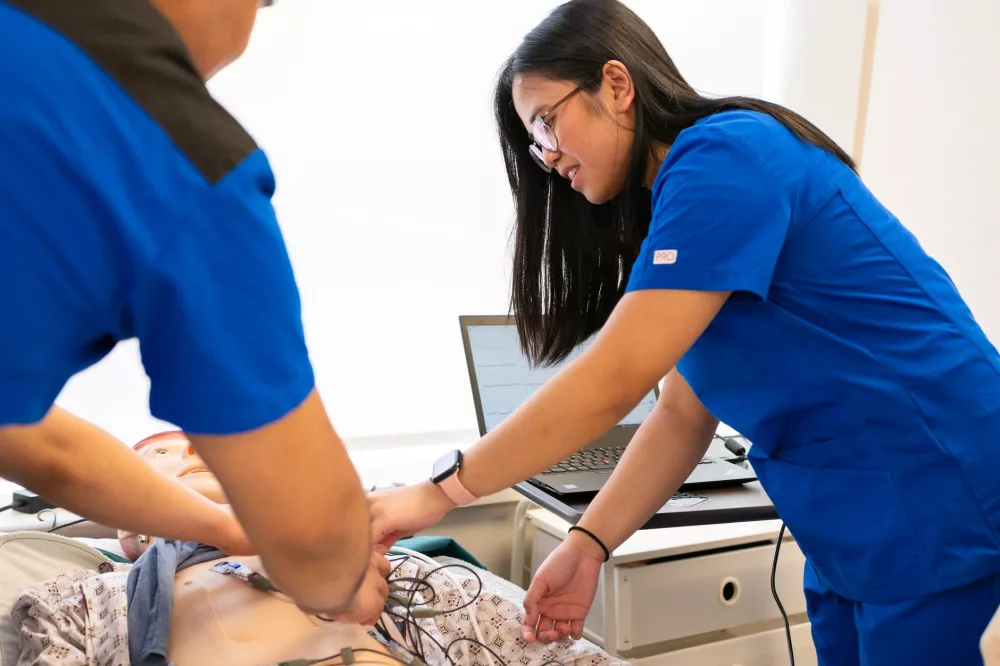
Hey there! If you’re like me, you’ve probably been thinking about a career change, something that really makes a difference, but you’re also watching your budget. That’s totally understandable. I’ve been researching options, and becoming a Certified Nursing Assistant (CNA) really caught my eye. What’s even better? The possibility of finding free CNA classes near me. Yes, you heard that right – free! It might sound too good to be true, but with a bit of digging, it’s absolutely achievable. Let me share what I’ve learned about how you can kickstart a healthcare career without breaking the bank.
Why Even Consider Becoming a CNA?
Before we jump into finding free classes, let's just quickly talk about why this role is so important. CNAs are the backbone of the healthcare system. They provide essential, direct care to patients in hospitals, nursing homes, assisted living facilities, and even in private homes. We're talking about helping people with daily activities like bathing, dressing, eating, and moving around. It's hands-on, it's compassionate work, and it's incredibly rewarding. You get to make a real, tangible impact on someone's life every single day.
Plus, it's a fantastic entry point into the medical field. Many nurses, and even doctors, started their journey as CNAs. It gives you invaluable experience, helps you understand patient care from the ground up, and can be a stepping stone to further education like LPN or RN programs. And let’s be honest, the job market for CNAs is consistently strong, which is a huge plus when you're thinking about career stability.
What Does a CNA Actually Do?
So, what does the day-to-day look like? A CNA's responsibilities are varied, but they generally include:
- Assisting patients with personal hygiene (bathing, grooming).
- Helping with mobility, repositioning patients to prevent bedsores.
- Serving meals and assisting with feeding.
- Taking vital signs (temperature, pulse, respiration, blood pressure).
- Documenting observations and reporting changes in patient condition to nurses.
- Maintaining a clean and safe environment for patients.
- Providing emotional support and companionship.
It’s a role that requires patience, empathy, and a strong work ethic, but it’s so fulfilling.
So, Where Can You Actually Find These Free Classes?
Okay, the million-dollar question: how do we find these elusive free CNA training programs? It takes some research and persistence, but there are several common avenues I've discovered:
1. Employer-Sponsored Programs: Hospitals & Nursing Homes
This is probably one of the most common and best ways to get free training. Many healthcare facilities, especially nursing homes and long-term care facilities, are constantly looking for CNAs. To ensure a steady supply of qualified staff, they often offer paid training programs or reimburse tuition costs for new hires. Here's how it often works:
- You apply for a CNA trainee position.
- If hired, the facility pays for your CNA training and certification exam.
- In return, you commit to working for them for a certain period after you get certified (e.g., 6 months to 1 year).
It’s a win-win! You get free training, a job right out of the gate, and valuable experience. I'd definitely start by checking the career pages of local hospitals, nursing homes, and assisted living facilities. Look for terms like "CNA trainee," "CNA sponsorship program," or "free CNA training."
2. Government-Funded Initiatives: WIOA and State Programs
Many government programs are designed to help people get into high-demand jobs, and healthcare is definitely one of them. The Workforce Innovation and Opportunity Act (WIOA) is a federal program that provides funding to states for workforce development activities. This often includes financial assistance for job training, like CNA courses, for eligible individuals. To see if you qualify, you'll want to contact your local Workforce Development Board or One-Stop Career Center.
Beyond WIOA, individual states often have their own grants and programs. For instance, some states might have specific programs for dislocated workers, low-income individuals, or veterans that cover the cost of vocational training. Don't be shy about reaching out to your state's Department of Labor or Health Services to inquire about any available funding or scholarships for CNA training.
3. Community Colleges & Vocational Schools (with a catch)
While community colleges and vocational schools usually charge tuition, they can sometimes be a source of free training through partnerships or financial aid. I know, not strictly